About Anat's Book




Where Recipes Become Family History
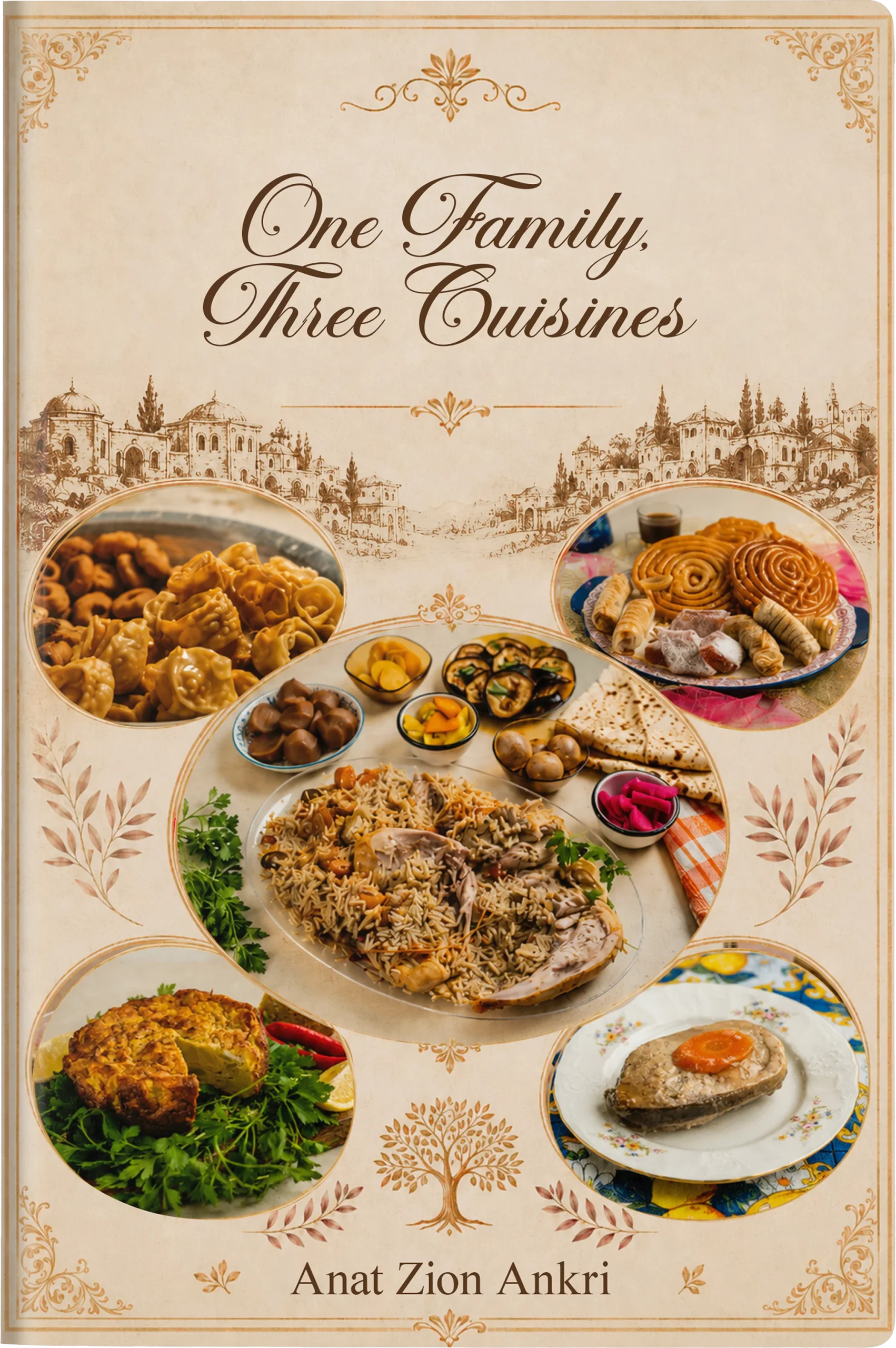
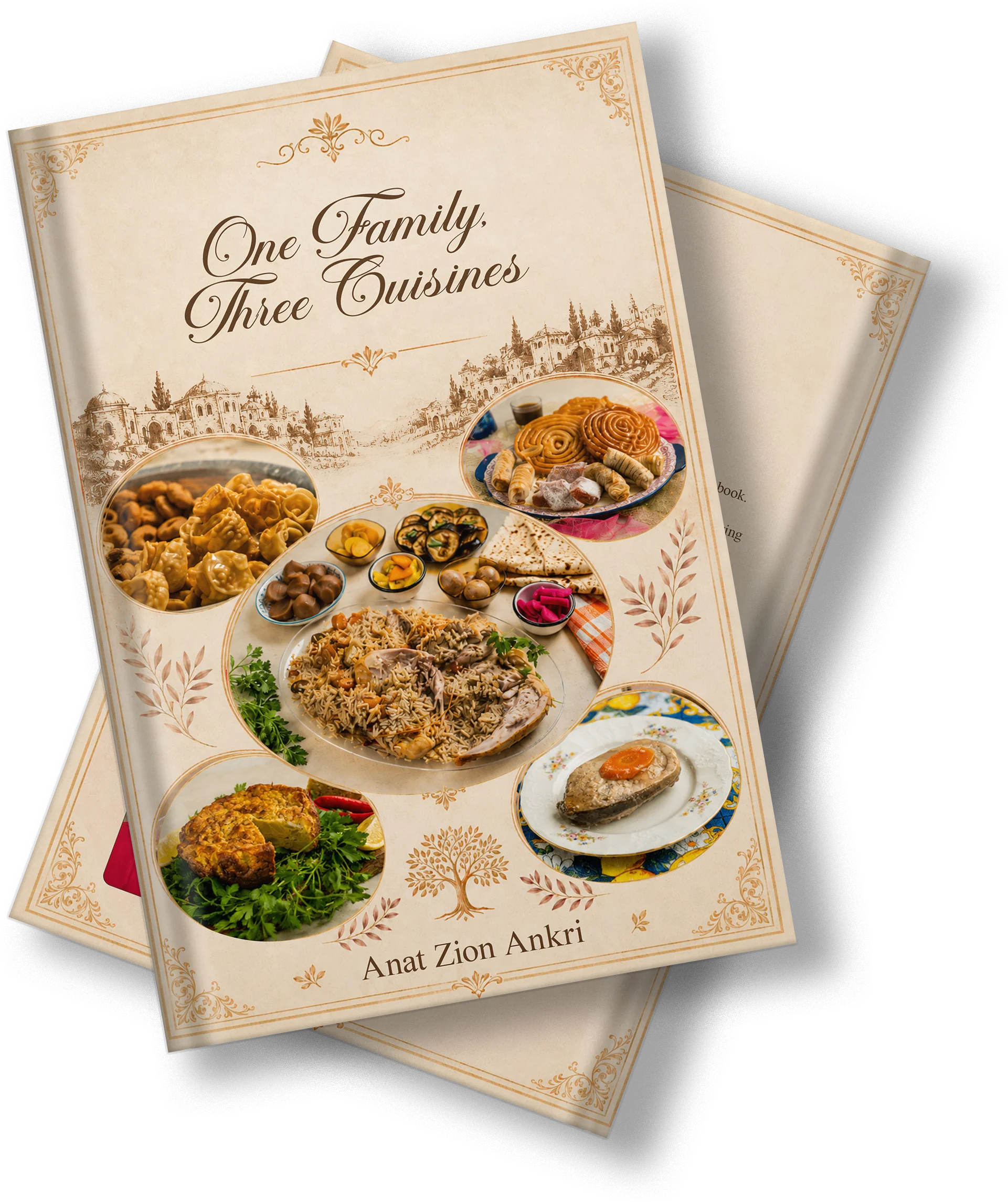
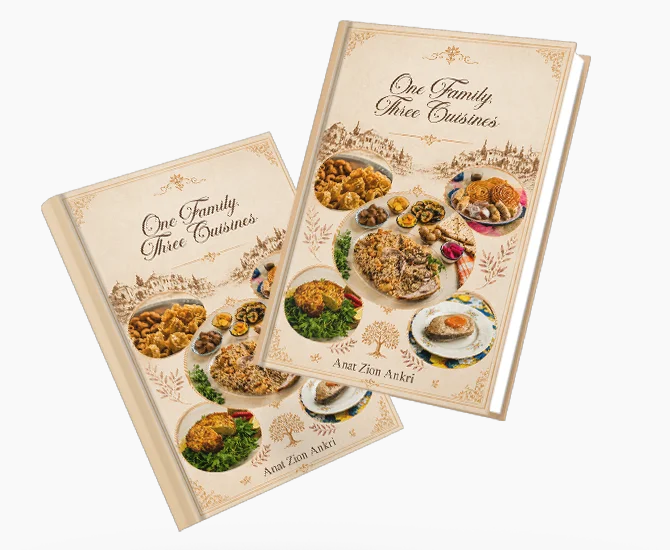
One Family, Three Cuisines by Anat Zion Ankri opens the door to a family’s story through the food they grew up with. Blending treasured recipes, photographs, memories, and journeys across generations, the book shows how a family kitchen can keep culture, love, and history alive.
Rather than presenting recipes as isolated instructions, the book connects each dish to the people who carried it forward. Meals become records of character, place, survival, celebration, and affection, giving readers reasons to care about the stories behind familiar ingredients.
The book travels through three culinary roots within one family: Polish, Iraqi, and Tunisian traditions. Each section opens another doorway into the family’s past, allowing recipes, relatives, customs, and changing homelands to unfold naturally beside one another on every page.
That structure gives the cookbook a warmth many recipe collections never reach. Readers do not simply discover what was cooked; they meet the people, occasions, hardships, and joyful gatherings that made those dishes worth remembering and passing to another generation.
Three Kitchens, One Family Table
The Polish chapters begin with family lives before moving naturally toward dishes such as chicken soup, kneidlach, kreplach, cholent, stuffed vegetables, fish, stews, and cakes. Their presence connects everyday cooking with resilience, remembrance, Sabbath tables, and changing family circumstances today.
The Iraqi branch brings another rhythm to the table through kubba, rice dishes, pickled vegetables, sambusac, sweets, and family favourites. Alongside those foods, readers encounter relatives whose work, courtship, movement, and traditions explain how recipes became part of family identity.
Tunisian heritage then adds couscous, hamin, chreime, stews, salads, stuffed dishes, breads, and sweets to the journey. Stories of Safta Hanna and Saba Andre give this cuisine a human setting, linking flavour with perseverance, learning, migration, and generous family tables.
Although the cuisines come from different places, the book shows how they eventually meet within one family shaped in Israel. That table becomes the connecting thread, allowing distinct traditions to remain recognizable while creating a broader story of belonging together.
What Remains After the Meal
This book will speak especially to home cooks, families preserving cultural traditions, and readers who enjoy history through personal stories. It offers practical dishes to prepare while inviting them to notice how food can carry identity, relationships, and inherited memory.
Some of the warmest parts of the book are also the simplest: a bowl of soup, a family table, an old handwritten recipe, or time spent cooking together. These everyday moments give the stories heart and bring memories gently back.
Ankri wrote the book because she did not want treasured family recipes and cooking traditions to disappear with time, especially those kept only in memories or on old handwritten notes. By gathering elders’ stories and cooking beside them, she created a lasting record for generations ahead.
Readers can leave with more than new dishes. The book invites readers to look more closely at their family stories, appreciate the traditions that make each culture unique, and stay curious about what has been passed down. It also shows how saving a recipe can help keep memories, people, and places alive for future generations.
Book Trailer
Frequently Asked Questions
What kind of book is One Family, Three Cuisines?
It is a family cookbook with traditional recipes, photos serving as a means to personal history, migration stories, and memories, a beautiful way to link food and identity over generations and across the ages.
Which culinary traditions appear in the book?
The book pools Polish, Iraqi, and Tunisian cuisine into one family and demonstrates how unlike cuisines come together around the same table to keep their stories alive today.
Is the book only a collection of recipes?
No. They are featured next to family stories, historical experiences, photos and reflections. It’s not just about how dishes are made; readers will also understand why they are still relevant today.
Who is this heritage cookbook best suited for?
It is perfect for home cooks, foodies, families seeking to preserve history, and readers interested in personal history. There’s something in every recipe to those who want to learn about memory and belonging.
Why did Anat Zion Ankri create this book?
Anat Zion Ankri wanted to preserve family recipes, techniques and memories from being lost. Collecting stories of the elders brought those traditions to life in a way that made them permanent, forever available to future generations to pass down through the ages to recreate them.